
How St. Louis Occupancy Inspections Work When You Sell
If your St. Louis-area sale requires an occupancy permit, knowing how the inspection works removes most of the stress. Here is the process, step by step — with the important caveat that the details vary by municipality, so you should always confirm with your specific city or the County.

Get Your Free Cash Offer Now!
Fill out this form to get your no-obligation all cash offer started!
Get Your Free Offer TODAY!
Fill In This Form To Get Your No-Obligation All Cash Offer Started!
Step 1: Confirm Whether Your Address Even Requires One
Start here, because it varies. Per St. Louis County, unincorporated St. Louis County and municipalities contracting with the County require an occupancy permit at an occupant change. Many incorporated cities have their own rules, while most of St. Charles County and much of Jefferson County do not require one. Call your city's building or code office (or the County) and confirm for your exact address before doing anything else.
Step 2: Apply and Schedule the Inspection
Where required, the seller (or owner) applies for the occupancy inspection with the municipality and schedules a visit. Fees are typically modest — often in the range of a few dozen to a couple hundred dollars — and scheduling can take anywhere from a few days to a few weeks depending on the city's workload, which is why starting early matters.
Step 3: The Inspection
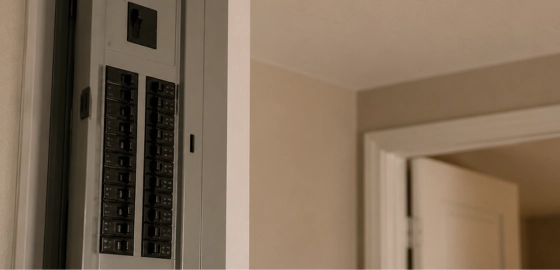
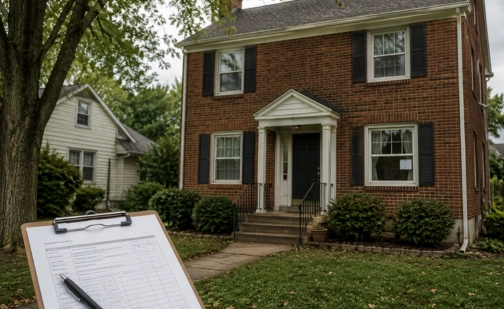
An inspector checks the home against minimum local building and safety codes — commonly smoke and carbon-monoxide alarms, handrails and guardrails, electrical basics, plumbing, water heater safety, and exterior property-maintenance standards. The inspection is not a full home inspection or a warranty of condition; it is a minimum-code check for safe occupancy.
Step 4: Repairs, Reinspection, and the Permit
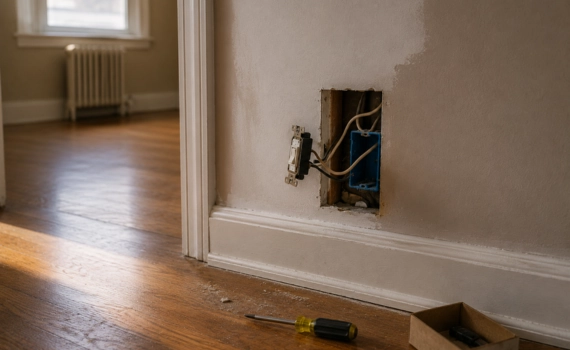
If items are flagged, they must be corrected and, usually, reinspected before the occupancy permit is issued. A new occupant generally cannot move in until the permit is granted. Some municipalities allow a temporary or conditional occupancy with an agreement to complete repairs within a set time — another detail that varies locally and is worth asking about.
Who Pays — and How a Cash Sale Changes It
On a traditional sale, the repairs typically fall to the seller, and the timing can threaten the closing. With a cash sale to a local buyer, you can sell as-is and let the buyer take on the inspection items and the occupancy process. That is often the difference between a sale that stalls over a repair list and one that closes on schedule.

Get a Cash Offer Before the Sale
Call 314-804-0777 or fill out the form. Tell us about the property and the tax situation, and we will give you a fair cash number and a closing date that works — with no repairs, no pressure, and no obligation.
Get Your Free Offer TODAY!
Fill In This Form To Get Your No-Obligation All Cash Offer Started!